

Cliquez ici pour lire en français
Picture opening your laptop and watching your cursor come alive — suggesting actions before you’ve even finished forming the thought. No commands to type. No menus to dig through. Just a machine that reads the room. That is exactly what Google is promising with the Googlebook, a brand-new category of laptops unveiled on May 12, 2026, at The Android Show: I/O Edition. The bet is a bold one: make artificial intelligence not just a feature, but the very foundation of the computing experience.
Fifteen years later, Google is starting over 🔄
Over fifteen years ago, Google launched the Chromebook on a simple premise: a laptop built for a cloud-first world. In 2026, Google is declaring that era over. The Googlebook is not a Chromebook upgrade. It is a clean break.
Google frames its design philosophy in a single sentence: « intelligence is the new spec. » Where previous generations of laptops competed on CPU benchmarks, RAM tiers, and display quality, the Googlebook leads with the depth of its AI integration. The pitch is unambiguous — this is no longer an operating system you use. It is an intelligence system that works with you.
That shift carries real weight for users across Africa. In Cameroon, as in much of the continent, the Android ecosystem is the dominant computing reality for most people. A laptop that integrates natively — and intelligently — into that world is not just a product announcement. It is a proposition worth examining closely.
The Magic Pointer: your cursor will never be the same ✨
The right-click has been the cursor’s last meaningful evolution for decades. The Googlebook intends to change that. Google is introducing the Magic Pointer, a feature developed in collaboration with the Google DeepMind team, that brings Gemini’s intelligence directly to your pointer. Wiggle the cursor, and it comes alive — offering quick, contextual suggestions based on whatever is on your screen at that moment.
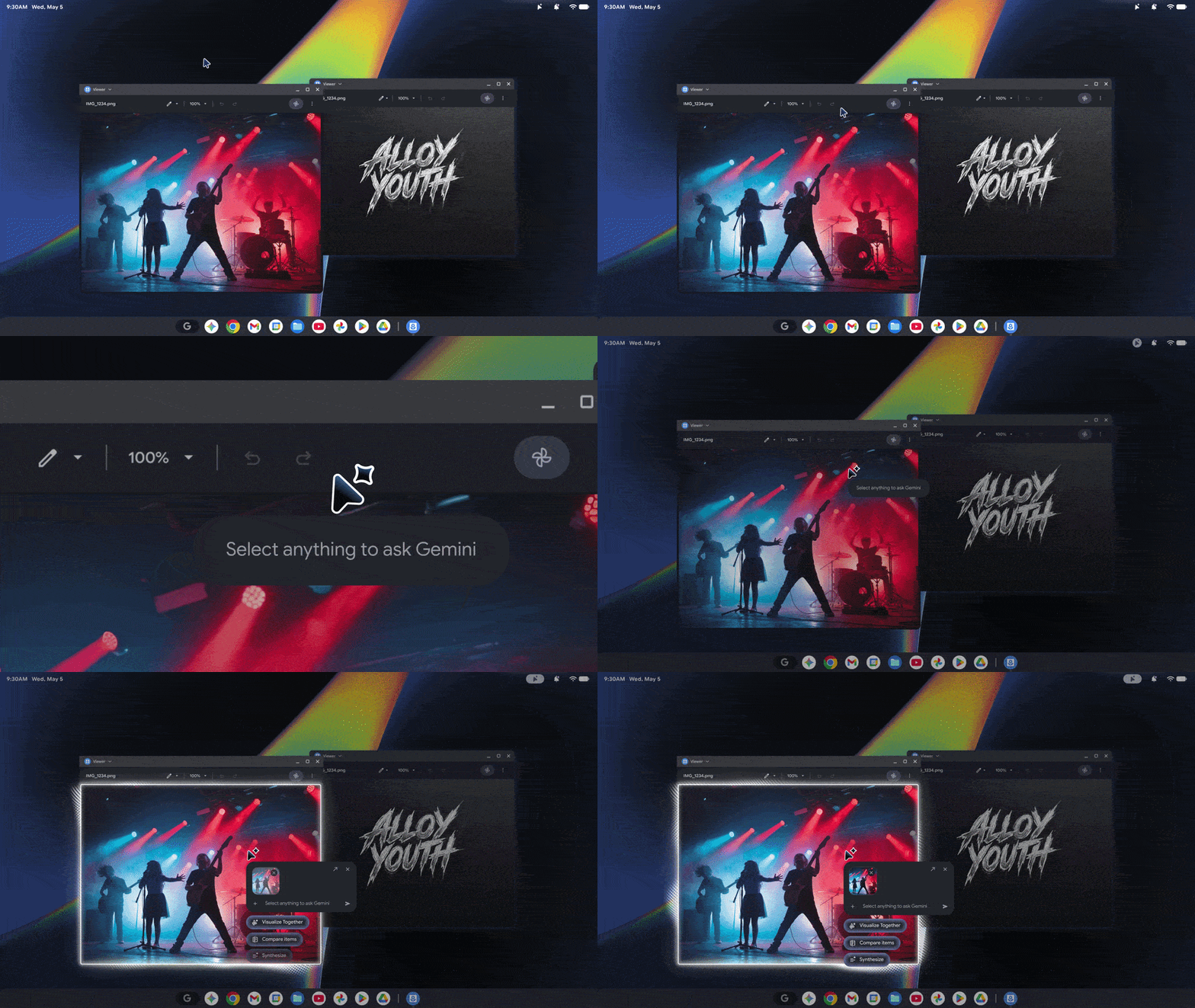
In practice: hover over a date in an email and the Magic Pointer offers to schedule it. Select two images — say, your living room and a couch you like — and Gemini visualises how they’d look together, instantly. From idea to done, in just a few clicks.
For a student in Yaoundé putting together a presentation, or an entrepreneur in Douala juggling multiple tools at once, that kind of frictionless flow could genuinely change how work gets done day to day.
Custom widgets, built in one sentence 🧩
The Googlebook also introduces Create your Widget, a feature that lets you build personalised widgets simply by prompting Gemini. The AI can pull from your Google apps — Gmail, Calendar, and more — to assemble a custom dashboard right on your desktop.

Planning a trip or a professional event? Gemini can pull together flight details, hotel bookings, restaurant reservations, and a countdown into a single, unified view. Your desktop stops being a cluttered surface of icons and becomes an extension of how you actually think and organise your life.
Android and PC, finally in sync 📱💻
One of the Googlebook’s most compelling arguments is how deeply it integrates with the Android ecosystem. With Quick Access, you can browse and use files directly from your phone through the Googlebook’s file manager — no transfers, no cables, no friction. Android apps run natively on the machine.

Under the hood, the Googlebook runs a hybrid OS — currently in development under the codename Aluminium — that merges the strengths of Android (its apps, its mobile-first ecosystem) with those of ChromeOS (Chrome, cloud optimisation). Both Intel and Qualcomm have confirmed chip partnerships, meaning x86 and ARM configurations will both be available, giving manufacturers meaningful flexibility.
In Africa, where the smartphone is often the primary — and sometimes the only — personal computing device, this kind of continuity between phone and laptop is a particularly resonant proposition. Less friction. Fewer cables. Less time lost between devices.
Premium hardware, built by familiar names 🏆
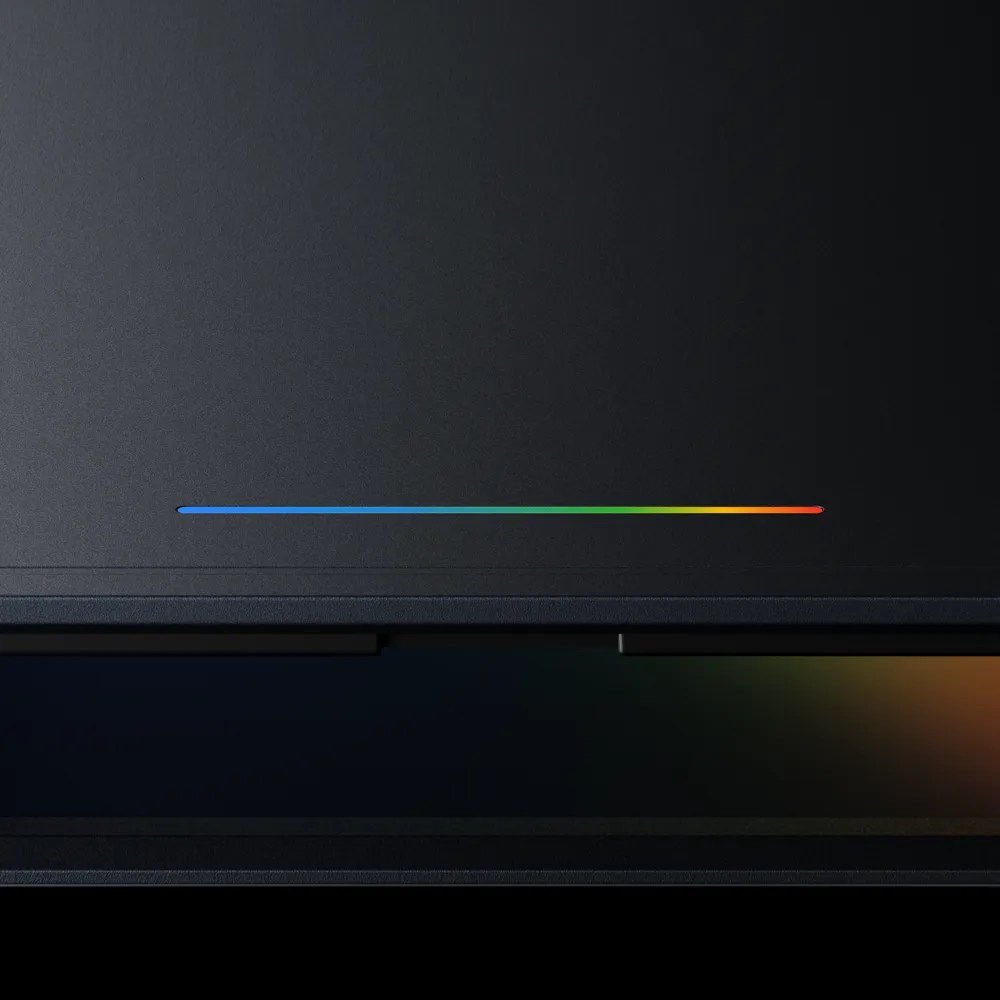
Google is working with Acer, ASUS, Dell, HP, and Lenovo to manufacture the first wave of Googlebooks. Every device will feature premium materials and craftsmanship, and will be identifiable by a signature glowbar — a design element that is both functional and distinctly Googlebook.
Google has been explicit about where this sits in the market: the Googlebook targets the premium end of the laptop spectrum, going head-to-head with Apple’s MacBook lineup and Microsoft’s Copilot+ PCs. That ambition comes with an implied price tag — early estimates point to a high-end positioning, well above what ChromeOS has traditionally occupied.
Importantly, Google has confirmed the Googlebook will not replace the Chromebook. Both product lines will coexist, serving different needs and different price points. Some existing Chromebook models from 2021 onwards may even be eligible to transition to the new OS when it launches.
AI as infrastructure: a turning point for mainstream computing 🌍
The Googlebook does not exist in a vacuum. Microsoft has already rolled out its Copilot+ PCs. Apple is weaving its own AI features deeper into every new Mac. The race to define the intelligent laptop is well underway — and Google is entering it with a radical proposition: stop treating AI as a layer on top of the system, and make it the system itself.
For African markets, this evolution raises a practical and pressing question: will these machines actually be accessible — financially and practically? The first Googlebooks are expected to reach shelves between September and November 2026, with a phased global rollout. No official pricing has been announced yet, but the premium positioning signals that, at launch, these devices will remain out of reach for the majority of users on the continent.
That said, the history of technology in Africa has a consistent lesson to offer: today’s premium innovation becomes tomorrow’s accessible standard. The AI capabilities the Googlebook is pioneering today may well define what everyday computing looks like for everyone, a few years from now.
Intelligence first, laptop second 🔮
The Googlebook is not positioning itself as just another laptop. It is positioning itself as a promise: a tool that understands what you are trying to do before you have fully articulated it. A machine where AI is not an app you open, but a constant presence that smooths every gesture, every workflow, every decision.
For professionals, creators, and entrepreneurs across Africa looking to work smarter and faster, that vision is genuinely exciting. But the real test comes in the autumn, when the first devices land in people’s hands. Does the Googlebook hold up in real-world use? Does ever-present AI actually improve daily life — or does it quietly introduce new forms of dependency? Those questions will only be answered once the machine is out in the world.
What is certain, for now, is that the cursor on your next laptop may never look quite the same again.
What do you think — does the idea of an AI-powered laptop excite you, or does it raise more questions than it answers? Could the Googlebook have a place in your daily life, or does the premium price tag put it out of the picture? Tell us in the comments — the Griots are reading. 💬
📱 Get our latest updates every day on WhatsApp, directly in the “Updates” tab by subscribing to our channel here ➡️ TechGriot WhatsApp Channel Link 😉


